
If you’re planning a fence installation in Monmouth County, New Jersey, understanding local regulations before you break ground can save you time, money, and headaches. Whether you’re a homeowner adding privacy to your backyard or a commercial developer managing a construction site, Monmouth County has specific rules that govern how and where fences can be installed.
At Eastcoast Fence, we’ve been navigating New Jersey’s local fencing regulations for over 30 years. Here’s what you need to know before your next project.
Why Monmouth County Fence Regulations Matter
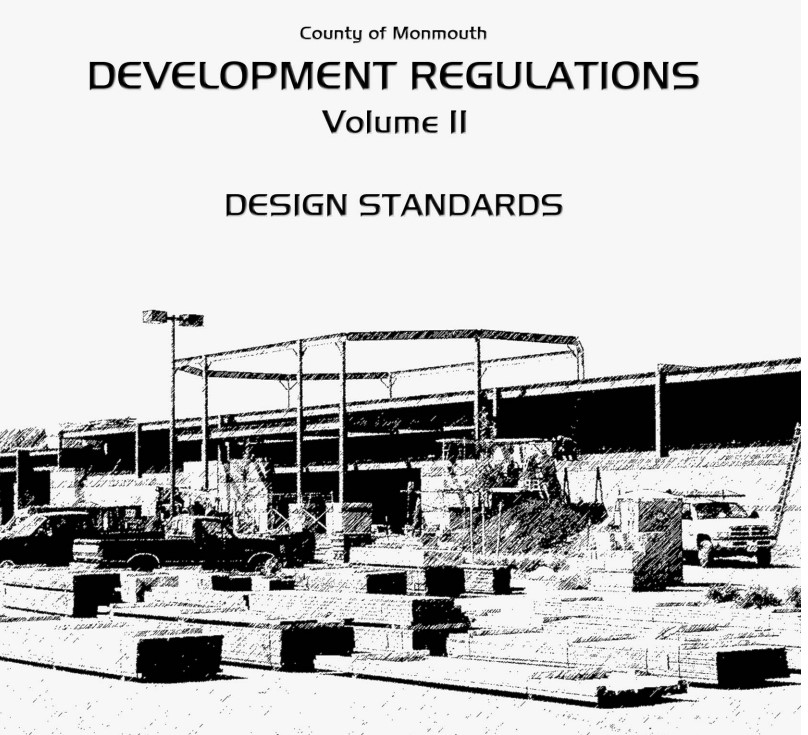
Monmouth County’s Development Regulations Volume II Design Standards sets detailed requirements for fence placement, installation methods, and environmental compliance. These rules apply to residential properties, commercial developments, and active construction sites across the county.
Failing to follow them can result in permit delays, fines, or being required to remove a fence after installation — a costly mistake for any property owner or developer.
Key Fence Regulations in Monmouth County, NJ
1. Site Plans Must Show All Existing and Proposed Fences
Any development or construction plan submitted in Monmouth County must clearly identify the location of all existing and proposed fences on the property. This requirement applies to both residential additions and large-scale commercial or municipal projects.
What this means for you: Before installing a fence, make sure your site plan is up to date and accurately reflects all fencing — even temporary barriers.
2. Fences Must Not Interfere with Utilities
Planning your fence layout? You’ll need to account for underground and overhead utilities — including water, gas, electricity, and drainage systems. Fences that interfere with utility access or flow can trigger compliance issues and project delays.
Eastcoast Fence tip: We coordinate with utility services during the planning phase so your fence is positioned correctly from day one.
3. Landscape Plans Must Include Fence Details
For commercial developers and HOAs, Monmouth County requires that landscape plans include detailed information on fence placement alongside sidewalks, decorative walls, and retaining walls. These elements must not encroach on public rights-of-way and must align with the overall site design.
Construction methods for all fencing must also be documented to demonstrate durability and code compliance.
4. Detail Sheets Are Required for Preliminary Plans
If you’re submitting preliminary development plans, you’ll need to include fence detail sheets specifying:
- Materials used (chain link, vinyl, wood, aluminum, etc.)
- Heights and dimensions
- Installation methods
- Any special security or environmental features
This requirement is especially important for construction sites that use silt fencing, safety fencing, or temporary chain link barriers.
5. Silt Fence Installation Must Meet Environmental Standards
For construction projects near waterways, drainage areas, or vegetation, silt fence installation is required to control sediment runoff and protect the surrounding environment. Monmouth County regulations specify exact installation methods to ensure these fences do their job effectively.
Eastcoast Fence installs NJ-compliant silt fences for construction sites throughout Monmouth County, Ocean County, and beyond.
6. No Fences in the County Road Right-of-Way Without Approval
Placing a fence within a Monmouth County road right-of-way without prior approval is prohibited. This includes fences adjacent to county roads used for private business purposes. Any protective barriers installed within the right-of-way must be:
- Durable and clearly visible
- Properly installed to avoid obstructing sight lines
- Equipped with silt fencing at the base where sediment control is needed
7. Historic and Scenic Road Considerations
Monmouth County is home to several designated scenic roads with historical significance. If your property borders one of these roads, additional guidelines apply:
- Existing fences or walls with historic significance must be preserved where possible
- New fencing must not obstruct sight lines
- All installations must comply with scenic road guidelines to preserve the area’s character and aesthetic
If you’re unsure whether your property falls within a scenic road corridor, we can help you find out before you apply for permits.
Fence Permit Requirements in Monmouth County
Permit requirements vary by municipality within Monmouth County. Most towns require a permit for:
- Fences over a certain height (commonly 4 ft in front yards, 6 ft in rear yards)
- Fences on corner lots or near intersections
- Commercial and industrial fence installations
Eastcoast Fence works with homeowners, HOAs, commercial developers, and municipal clients to handle the permitting process from start to finish — so you don’t have to navigate it alone.
Serving Monmouth County and All of New Jersey
Eastcoast Fence is based in Freehold, NJ and has been serving Monmouth County for over 30 years. We install:
- Residential fences — wood, vinyl privacy, aluminum, post and rail
- Commercial fences — chain link, high-security, perimeter fencing
- Construction site fences — temporary chain link, silt fence, snow fence, safety fence
- Specialty fences — deer fence, agricultural and horse fencing
No matter the project size or scope, our team ensures every installation is compliant with Monmouth County regulations and built to last.
Ready to Start Your Fence Project in Monmouth County?
Don’t let permit confusion or regulation questions slow down your project. Contact Eastcoast Fence today for a free consultation. We’ll walk you through local requirements and provide a transparent quote for your residential or commercial fence installation.