
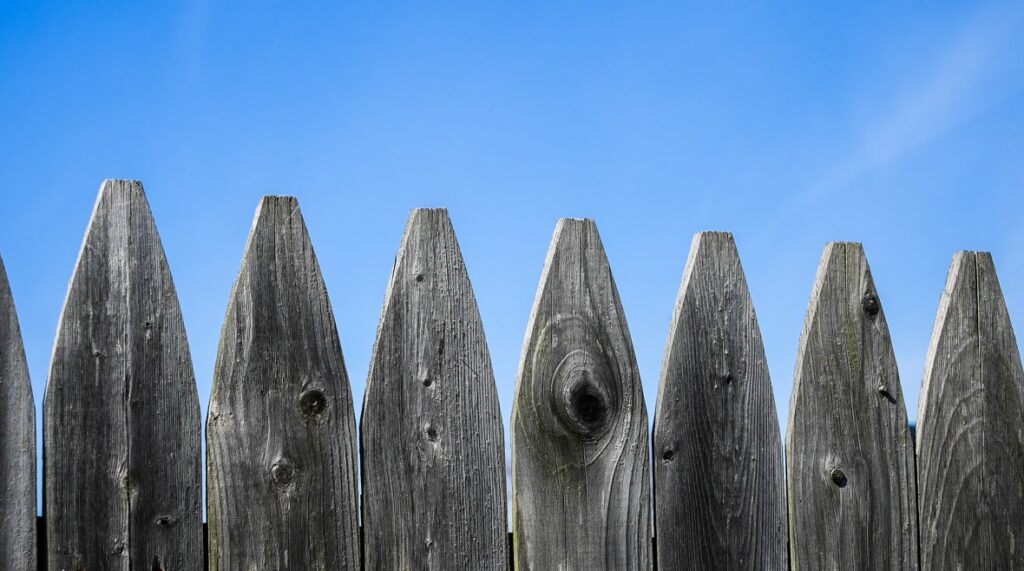
Stockade Fence Installation in New Jersey
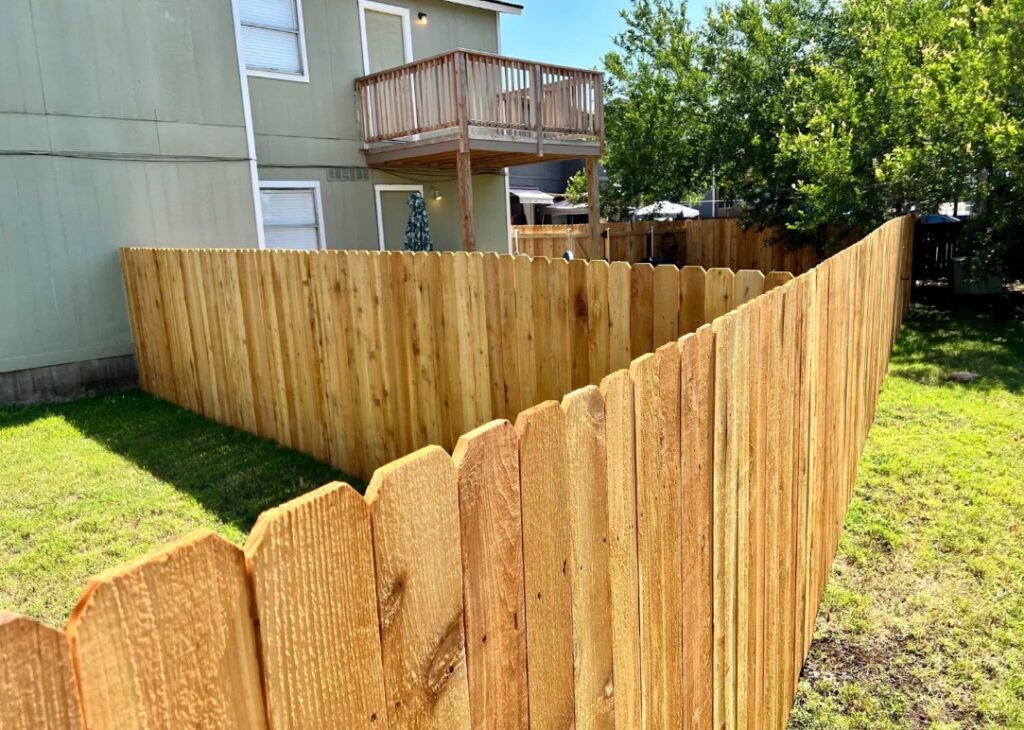
A stockade fence uses tightly spaced, overlapping vertical boards to create a solid privacy barrier. No gaps, no sightlines through the fence line. It’s one of the most requested styles for New Jersey backyards, especially on lots that back up to neighbors or busy roads.
Eastcoast Fence has installed stockade fencing across Monmouth and Ocean County since 1999. We build them on site, board by board, rather than assembling generic panels that don’t fit your property line.
What a Stockade Fence Does Best
Stockade fencing blocks visibility completely, which makes it a strong fit for backyard pools, patios near property lines, and homes close to a road like Route 9 or Route 70. The solid board structure also cuts down noise, useful for properties near shore-area traffic corridors.
Posts typically run 4 to 8 feet high, set to match local zoning and your privacy needs. We confirm setback requirements before we dig a single hole. Rules vary by municipality across Monmouth and Ocean County, so we check your town’s code directly rather than assuming.
Wood or Vinyl Stockade: Which Fits Your Property
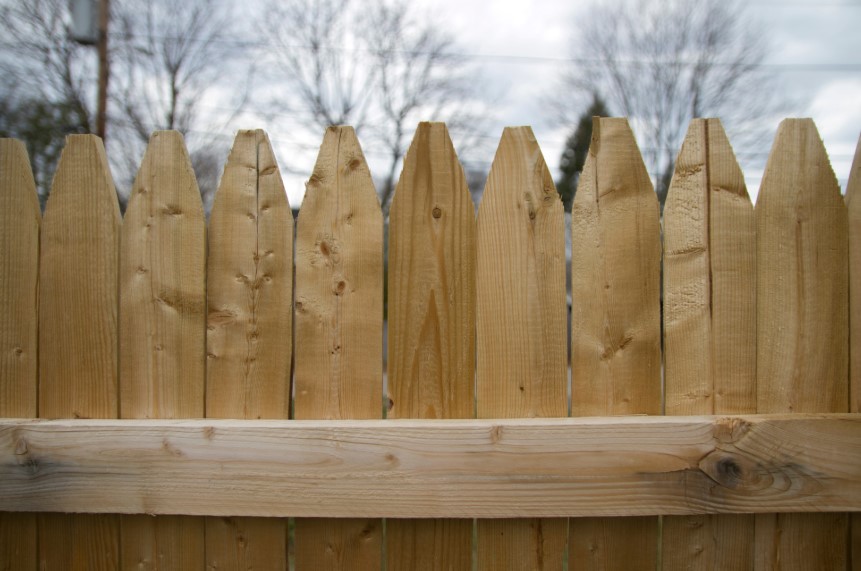
Traditional stockade fencing is built from wood, usually cedar or pressure-treated pine. It has a natural look that suits older, established neighborhoods. Wood needs periodic staining or sealing, especially with the humidity and salt air common closer to the coast.
Vinyl stockade fencing delivers the same solid privacy without the upkeep. It resists warping, rot, and pest damage, and it holds its color through NJ winters without repainting. For homeowners who want the classic stockade look with less maintenance, vinyl is the better long-term choice. Compare both in more detail on our vinyl fence page and wood fence page.
Stockade vs. Board-on-Board
Board-on-board fencing alternates boards on each side of the post, so both faces look identical. It offers some airflow through small gaps, which puts it closer to a semi-privacy fence than a true stockade. Stockade fencing costs less and delivers full privacy. Board-on-board costs more but looks finished from both sides. Which one fits depends on your property and your neighbor’s view of it.
Why Eastcoast Fence Installs It Right
Stability starts below the ground. We set posts in concrete deep enough to handle NJ’s freeze-thaw cycles, so the fence line stays straight through winter instead of heaving or leaning by spring. When you look down a finished line of posts, you should only see one post.
As both installer and distributor, we stock our own materials. That means your project starts on schedule instead of waiting on a third-party supplier. Our crews have construction backgrounds beyond fencing, having built hundreds of homes throughout the region through our related company, MSC Enterprises.
Residential and Commercial Stockade Fencing
Homeowners use stockade fencing for backyard privacy, pool enclosures, and pet containment. Commercial and municipal clients use it to secure property lines around office parks, schools, and public facilities while keeping a clean, finished appearance. We’ve completed municipal fencing work throughout Ocean and Monmouth County and carry full licensing, bonding, and insurance for both residential and commercial projects.
FAQs
Most residential stockade fences run 4 to 6 feet. Height limits depend on your municipality and whether the fence sits in a front, side, or rear yard.
Wood offers a traditional look but needs regular sealing. Vinyl costs more upfront but requires almost no maintenance over its lifespan.
A well-installed vinyl stockade fence can last 20 to 30 years. Wood typically lasts 10 to 15 years with proper upkeep.
Get a Stockade Fence Quote
Eastcoast Fence has built stockade fences across New Jersey since 1999. We handle layout, permitting questions, and installation from one crew, with materials ready to go.
With proper care, your stockade fence can be a valuable investment in enhancing your property’s value and livability.